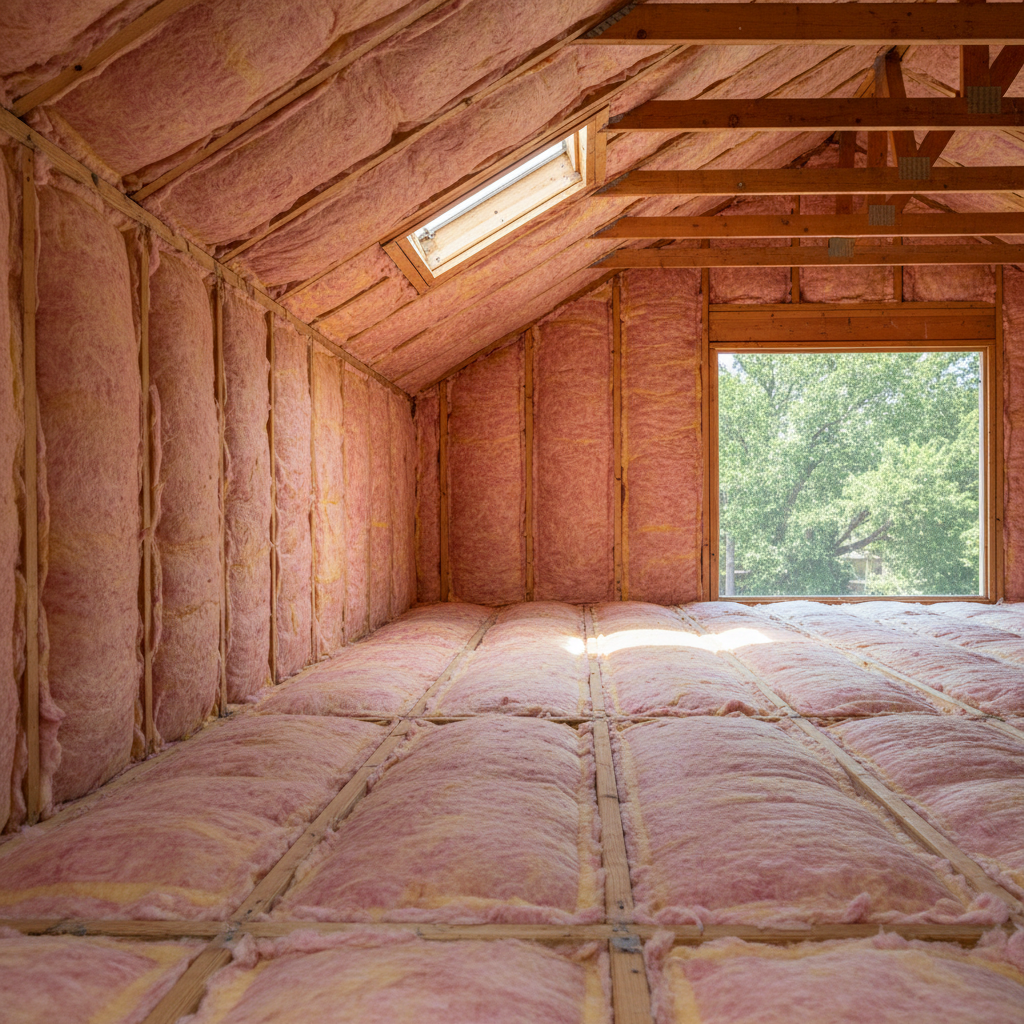
You're looking at batt insulation, huh? Good choice for a lot of folks. It's been around forever for a reason — it works, and it's usually the most budget-friendly option upfront. But 'budget-friendly' doesn't mean 'free,' and you still want to know what you're getting into. As a local contractor, I've seen plenty of insulation jobs across Fort Worth, from the older homes in Fairmount to the newer builds out in Alliance, and the costs can swing quite a bit. Let's talk about what you should expect to pay and why.
What Drives the Price of Batt Insulation?
It's not just one thing, you know? A few key factors really push the numbers up or down. You've got to consider these when you're getting quotes:
- The Type of Batt: Fiberglass is the most common, and it's generally the cheapest. Mineral wool (rock wool) is another option; it's denser, better for soundproofing, and more fire-resistant, but it'll cost you more. Cotton batts, often made from recycled denim, are another eco-friendly choice, but they're typically pricier than fiberglass too.
- R-Value (Thickness): This is huge. The R-value tells you how well the insulation resists heat flow. The higher the R-value, the thicker the batt, and the more material is involved. For attics in our climate, you're usually looking at R-38 to R-60. Walls might be R-13 or R-19. More R-value means more cost, plain and simple.
- Area to Insulate: This one's a no-brainer. Insulating a 1,500 sq ft attic is going to cost less than insulating a 3,000 sq ft attic. Same goes for walls, crawl spaces, or anywhere else you're putting it.
- Accessibility: This is where things can get tricky. Is the attic easy to get into? Is it clean and clear, or is it packed with old junk, ductwork, and electrical wires that need to be worked around? Are we insulating walls that are already open during a renovation, or do we have to cut into drywall, blow in insulation, and then patch everything up? The harder it is to get to, the more labor hours it'll take, and that means more money.
- Old Insulation Removal: If you've got old, matted, or critter-infested insulation that needs to come out before new batts go in, that's an extra cost. It's dirty work, and it requires proper disposal.
- Local Labor Rates: Fort Worth isn't the cheapest place to live or run a business, but it's not the most expensive either. Labor rates reflect the cost of doing business here, including insurance, overhead, and paying skilled guys a fair wage.
Typical Cost Ranges in Fort Worth
Alright, let's get down to some real numbers. Keep in mind these are averages, and your specific project might fall outside these ranges depending on all those factors I just mentioned. These numbers generally include materials and labor for a straightforward installation.
- Attic Insulation (Fiberglass Batts): For a typical Fort Worth home, insulating an attic with fiberglass batts to an R-38 to R-49 level usually runs between $0.75 to $1.50 per square foot. So, for a 1,500 sq ft attic, you're looking at anywhere from $1,125 to $2,250. If you need R-60, expect that to go up to $1.75 - $2.50 per sq ft.
- Wall Cavity Insulation (Fiberglass Batts): If your walls are open during a remodel or new construction, installing R-13 or R-19 fiberglass batts typically costs around $0.60 to $1.20 per square foot of wall surface. Again, this is for open walls. If we're talking about drilling holes and blowing in insulation, that's a different ballgame and usually more expensive than batts.
- Crawl Space Insulation: For a crawl space, especially if it's tight or damp, it can range from $1.00 to $2.00 per square foot, often using faced batts to help with moisture.
- Old Insulation Removal: If you need old stuff hauled away, add another $0.50 to $1.50 per square foot, depending on the volume and condition of the existing material.
So, for a 2,000 sq ft house needing R-38 in the attic, you might be looking at $1,500 to $3,000. If you also need old insulation removed, add another $1,000 to $3,000 on top of that. It adds up.
What Should a Good Quote Include?
When you get a quote from me or any other reputable contractor, it shouldn't just be a single number. You want to see a breakdown. Here's what I always make sure to put in writing:
- Detailed Scope of Work: Exactly what areas are being insulated (e.g., 'attic floor,' 'exterior walls on first floor').
- Insulation Type and R-Value: Specifies fiberglass, mineral wool, etc., and the R-value being installed (e.g., 'R-38 unfaced fiberglass batts').
- Total Square Footage: The exact area that will be covered.
- Material Costs: A line item for the insulation itself.
- Labor Costs: The cost for the crew to do the work.
- Old Insulation Removal (if applicable): A separate cost for removal and disposal.
- Any Prep Work: Like sealing air leaks or installing baffles for ventilation.
- Warranty Information: What kind of guarantee you get on the work.
- Total Cost: The final number, all in.
If a quote is just a single figure on a napkin, walk away. You need to know what you're paying for.
How to Avoid Overpaying for Batt Insulation
Nobody wants to get ripped off, especially not here in Fort Worth. Here's how you can protect your wallet:
- Get Multiple Quotes: This is probably the most important thing you can do. Don't just go with the first guy. Get at least three detailed quotes from different contractors. It helps you compare apples to apples.
- Understand the R-Value: Make sure all your quotes are for the same R-value. An R-30 quote will always be cheaper than an R-49 quote, but it's not a fair comparison.
- Ask About Experience: How long have they been doing insulation? Do they have local references? We've been doing this for years at Fort Worth Spray Foam Insulation, and while we specialize in spray foam, we know batts inside and out too.
- Check Licenses and Insurance: Make sure the contractor is properly licensed and insured. You don't want to be liable if someone gets hurt on your property.
- Don't Be Afraid to Ask Questions: If something in the quote doesn't make sense, ask for clarification. A good contractor will take the time to explain everything to you.
- Beware of Super Low Bids: If one quote is drastically lower than all the others, be suspicious. They might be cutting corners on materials, labor, or not including everything.
- Consider Energy Audits: Sometimes, a professional energy audit can pinpoint exactly where your home is losing heat, helping you prioritize your insulation efforts and potentially save money by not over-insulating areas that don't need it as much.
Batt insulation is a solid choice for improving your home's energy efficiency and comfort. By understanding the costs and knowing what to look for in a quote, you can make an informed decision and ensure you're getting a fair deal from a reliable Fort Worth contractor.