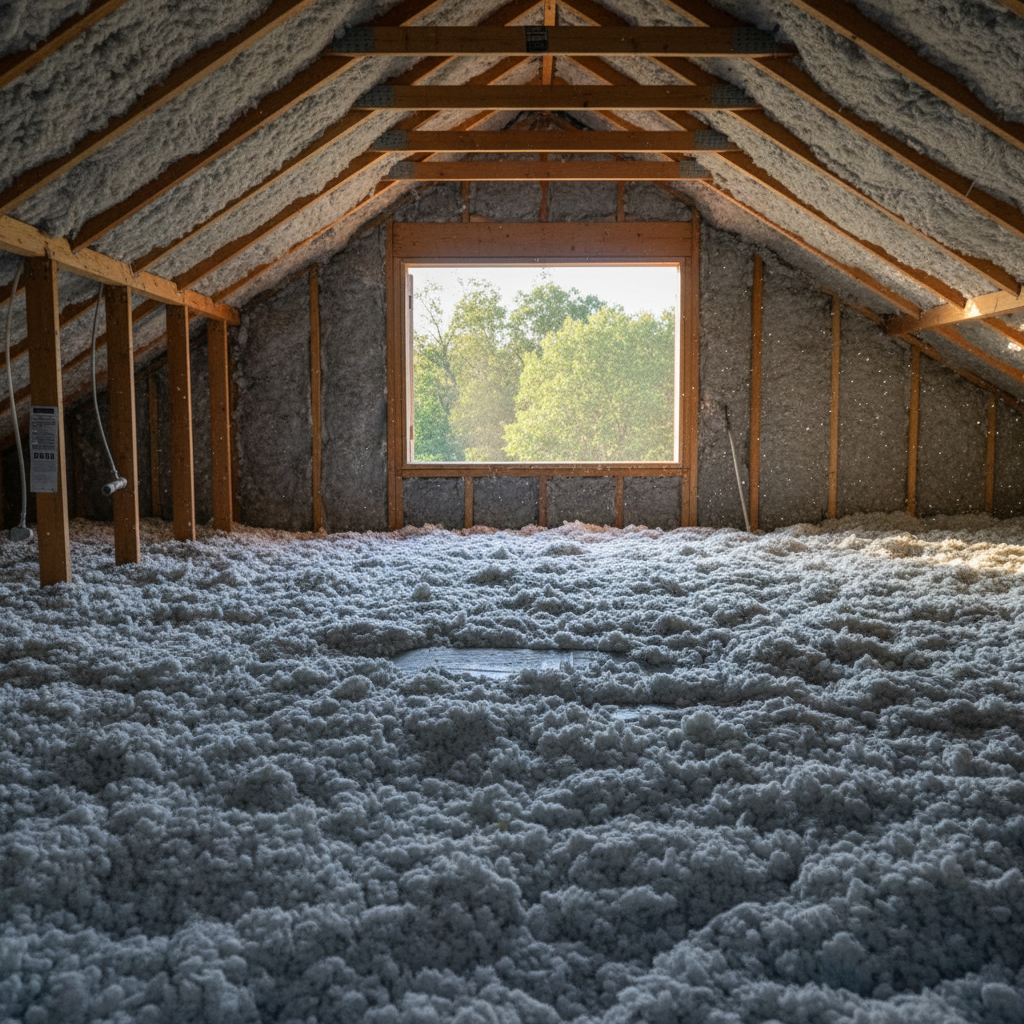
So, you're thinking about getting blown-in insulation for your place here in Fort Worth. Smart move. It's a really solid investment, especially with our wild Texas weather. But when's the best time to actually do it, and what should you know about getting it installed? I hear these questions a lot, so let's just go through it.
When to Schedule Blown-In Insulation in Fort Worth
Honestly, you can get blown-in insulation installed pretty much any time of year. But there are definitely some sweet spots, and then some times you might want to avoid—or at least be ready for some minor hiccups.
- Spring (March-May): This is probably my favorite time for these kinds of jobs. The weather's usually mild, you know, not too hot, not too cold. It's comfortable for my crew up in your attic, which means we can work efficiently and get the job done right without battling extreme heat. Plus, you'll be all set before the real summer scorcher hits, saving you money on cooling bills right away.
- Fall (September-November): Another excellent window. Just like spring, the temperatures are generally cooperative. You'll be prepped for the cooler winter months, keeping that heat inside where it belongs.
- Winter (December-February): Oh, we absolutely do blown-in insulation in winter. It's often a good time because people are really thinking about staying warm. The only thing to watch out for is if we get one of those rare ice storms or heavy rains. We can't be up there if it's unsafe, or if moisture is going to be an issue.
- Summer (June-August): We work through the summer, no doubt about it. But I'll be straight with you: it's brutal up in those attics when it's 100 degrees outside. We take more breaks, hydrate constantly, and sometimes jobs might just take a little longer. If you can schedule it outside of peak summer, it's usually a smoother process for everyone. But if summer's your only option, well, we'll make it happen.
Weather Conditions That Affect the Work
When we're talking about blown-in insulation, especially cellulose or fiberglass, moisture is the absolute enemy. Here's what we're looking at:
- Rain: If it's actively raining, or if we've had a lot of rain recently and your attic or roof deck is wet, we'll need to reschedule. Blowing wet insulation is a recipe for disaster. It clumps up, it doesn't settle right, and it can lead to mold or mildew problems down the road. We're just not going to do that to your home.
- High Winds: This is less of a problem for blown-in insulation inside an attic. But if we're dealing with exterior walls or an open space, high winds can make it really tough to control the material. It can blow away before it settles properly, which is just wasteful and inefficient.
- Extreme Heat/Cold: As I mentioned, extreme temperatures mostly affect my crew's comfort and how efficient they can be. It doesn't usually impact the insulation itself, but it's definitely a factor in scheduling and how long the job takes. We're not going to rush a job just because it's hot, you know?
Before we start any job, we always do a thorough inspection of your attic and roof. We're checking for leaks, moisture, and any other issues that need to be addressed before we blow in new insulation. If we find something, we'll let you know. It's always better to fix it right the first time than to just cover up a problem.
Protecting Your Blown-In Insulation Investment Year-Round
Once you've got that fresh blown-in insulation, you want to make sure it keeps doing its job for years to come. Here's how to protect your investment:
- Keep it Dry: This is number one, hands down. Regularly check your roof for leaks, especially after heavy storms. Look for water stains on your ceiling or in your attic. If you find a leak, get it fixed immediately. Waterlogged insulation loses its R-value and can become a breeding ground for mold.
- Mind Your Attic Traffic: Try to minimize walking around in your attic. Every time you step on insulation, you compress it, which reduces how well it works. If you need to access something, lay down plywood planks to spread out your weight.
- Proper Ventilation: Good attic ventilation is crucial, especially here in Fort Worth. It helps get rid of heat and moisture, which protects your insulation and extends your roof's life. Make sure your soffit and ridge vents aren't blocked by insulation or debris.
- Pest Control: Rodents, birds, and insects can really make a mess of insulation. They tunnel through it, nest in it, and compress it. Seal up any entry points to your attic, and if you suspect a pest problem, deal with it quickly.
- Don't Store Too Much: While it's tempting to use your attic for storage, piling heavy boxes directly on your insulation can compress it. Use raised platforms if you really need to store items up there.
Blown-in insulation is a fantastic way to make your Fort Worth home more comfortable and energy-efficient. Whether you're in an older home in the Fairmount Historic District or a newer build out in Alliance, getting the timing right and taking care of it afterward will ensure you get the most bang for your buck. If you've got questions or want to schedule an inspection, give us a call at Fort Worth Spray Foam Insulation. We're here to help you stay comfortable, no matter the season.