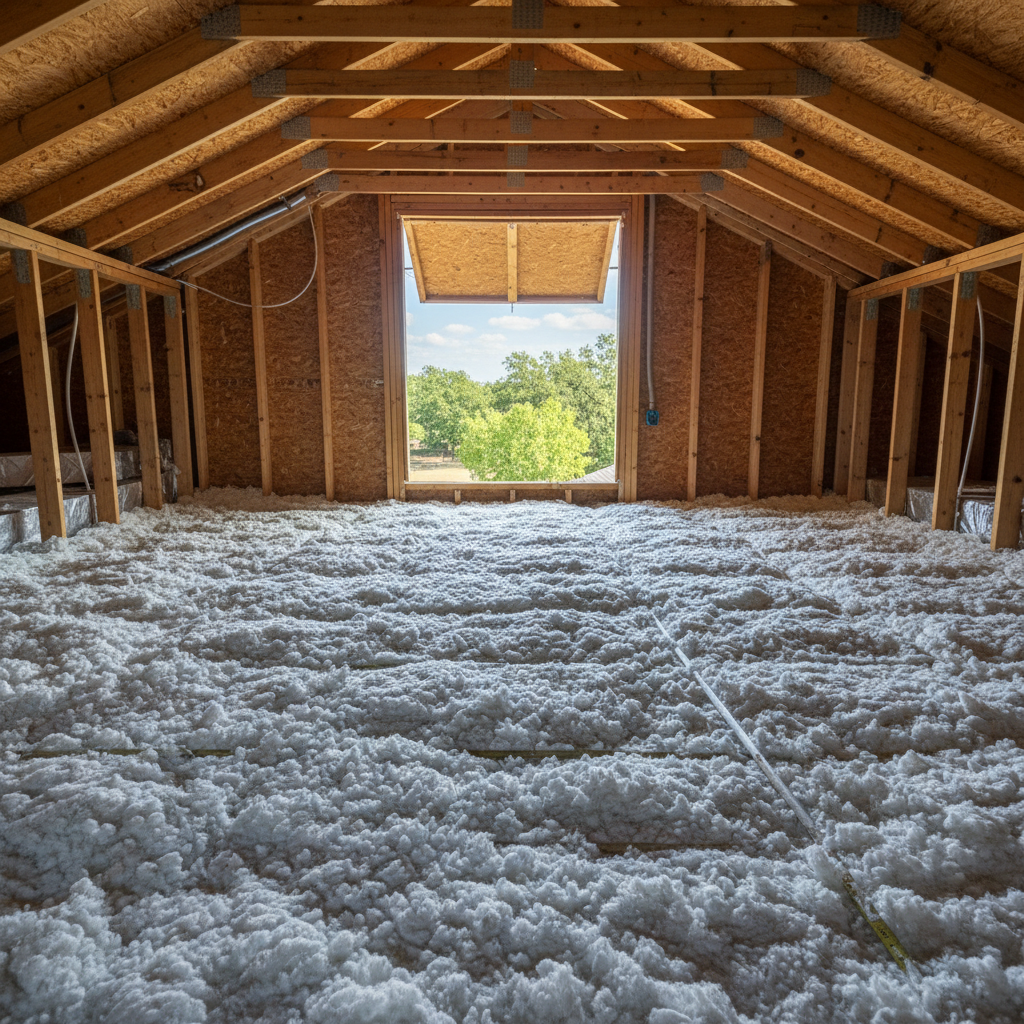
So, you're looking at blown-in insulation for your Fort Worth home, huh? Good call. It's a smart move for improving comfort and cutting down those energy bills, especially with our scorching summers and those occasional winter freezes. But before you jump in, you'll want to have a clear picture of what this project actually involves. It's more than just a quick fix; it's an investment, and like any good investment, it needs a bit of planning.
Your Project Timeline: What to Expect
Let's talk timing. This isn't usually an emergency repair, so you've got some wiggle room. Generally, from your first call to a contractor to the job being wrapped up, you're looking at a few weeks, maybe a month or two, depending on how busy folks are. Here's a breakdown:
- Initial Inquiry & Quote (1-2 weeks): You'll call a few places, they'll come out, assess your attic or walls, and give you an estimate. Don't just go with the first quote; get a few.
- Scheduling the Work (2-4 weeks): Once you pick a contractor and sign the dotted line, you'll get on their schedule. Good contractors are often booked out a bit, especially during peak seasons like spring or fall when folks are thinking about energy efficiency.
- The Installation Day (1-2 days): Most blown-in jobs for an average-sized home can be done in a single day. Larger or more complex projects, like dense-packing walls, might stretch into a second day.
Factor in our Fort Worth weather, too. While blown-in insulation isn't as sensitive to humidity as, say, spray foam, extreme heat can make attic work pretty miserable for the crew, potentially slowing things down. A good contractor will plan for that, though.
During the Process: What Happens?
When the crew shows up, they'll usually start by protecting your home. They'll lay down drop cloths, especially in the access areas, to keep dust and debris to a minimum. Blown-in cellulose or fiberglass can be a bit messy if they're not careful, so this is important.
They'll bring in a large blowing machine, often parked outside, with a long hose running into your attic or to the exterior walls. For attics, it's pretty straightforward: they'll blow the material evenly across the floor of your attic, making sure to get into all the nooks and crannies. If you're getting wall insulation, they'll typically drill small holes in your exterior siding or interior drywall, insert the hose, and dense-pack the cavities. Once done, they'll plug those holes up.
You'll hear some noise from the blowing machine, and there might be a bit of dust in the air, even with their precautions. It's usually not a huge disruption, but it's good to know what to expect. You can usually stay in your home during the process, though some folks prefer to be out for the day, especially if they're sensitive to dust.
How to Prepare Your Home
A little prep work on your end can make the whole process smoother for everyone:
- Clear the Attic: If you're getting attic insulation, remove any stored items, especially anything fragile or valuable, from the work area. The crew needs clear access.
- Provide Access: Make sure the attic access point is clear and easy to get to. If it's in a closet, move clothes and furniture.
- Protect Valuables: Even with drop cloths, dust can travel. Cover anything you don't want getting dusty, especially in rooms directly below the attic access.
- Secure Pets: Keep pets away from the work area. The noise and activity can be stressful for them, and you don't want them getting in the way.
- Point Out Concerns: Before they start, show the crew any areas you're particularly worried about or any specific instructions you have.
If you're getting walls insulated, you might need to move furniture away from the walls and take down pictures or decorations that could be affected by drilling or dust.
Questions to Ask Before You Sign That Contract
This is where you earn your stripes as a smart homeowner. Don't be shy. You're hiring someone to work on your biggest asset, so ask away:
- What type of blown-in insulation do you recommend (cellulose or fiberglass) and why for my specific home? Each has its pros and cons.
- What's the R-value you'll be achieving in my attic/walls? You want to know you're getting adequate insulation for our climate.
- How do you handle ventilation in the attic? Proper ventilation is crucial, especially in Fort Worth, to prevent moisture issues and heat buildup.
- Will you air seal before insulating? This is a big one. Blown-in insulation is great, but it's even better when paired with good air sealing to stop drafts. If Fort Worth Spray Foam Insulation is doing the job, we'll always talk about air sealing.
- What's your cleanup process like? You want to know they'll leave your home as clean, or cleaner, than they found it.
- Are your technicians certified and insured? Don't ever hire someone who isn't.
- Do you offer any warranties on your work or the material? Good companies stand behind their work.
- Can you provide references? Talking to past customers is always a good idea.
Getting blown-in insulation is a solid choice for improving your home's comfort and efficiency. By understanding the process and asking the right questions, you'll ensure a smooth project and a home that's better prepared for whatever North Texas weather throws at it.