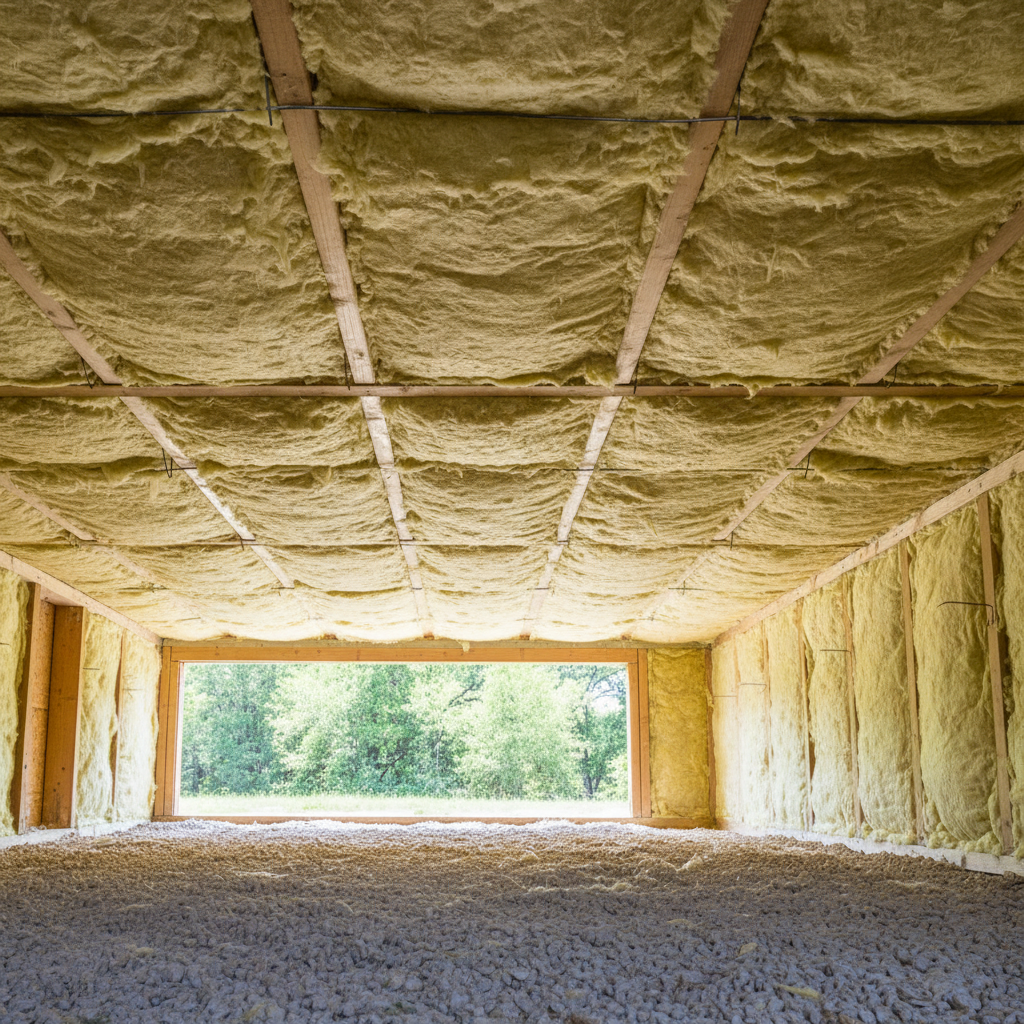
Alright, let's talk crawl spaces. If you've got one under your Fort Worth home, you know it can be a real energy hog if it's not insulated right. And frankly, a lot of them aren't. People often forget about this space, but it's a huge part of your home's thermal envelope. Ignoring it means you're probably paying more on your utility bills than you need to, especially with our scorching summers and those surprisingly chilly winter snaps we get.
Before You Start: What to Check
Before you even think about insulation, you've got to make sure your crawl space is dry and clean. This is non-negotiable. Insulation, especially fiberglass or cellulose, is useless if it gets wet. It'll sag, lose R-value, and become a breeding ground for mold and mildew. Nobody wants that.
- Moisture Control: Go down there with a flashlight. Look for standing water, damp soil, or any signs of past water intrusion. If you see any, you've got to fix the source first. This might mean improving exterior drainage, repairing leaky pipes, or installing a sump pump. For most Fort Worth homes, especially those built on expansive clay soils, managing water around the foundation is key.
- Vapor Barrier: A good quality vapor barrier (at least 6-mil polyethylene sheeting) laid across the entire crawl space floor is crucial. It stops ground moisture from evaporating up into your crawl space and then into your home. This is definitely a DIY job for most folks. Just make sure to overlap the seams by at least 6-12 inches and seal them with tape. Run it up the foundation walls a few inches too.
- Pest Control: Check for any critters. Rodents, insects, you name it. They love dark, damp crawl spaces. You don't want to trap them in there with your new insulation. Seal up any entry points and deal with any existing infestations.
- Air Sealing: Before you insulate, seal up any penetrations or gaps in the subfloor above. Think plumbing pipes, electrical wires, ductwork. Use caulk or expanding foam for smaller gaps. This stops conditioned air from leaking into the crawl space and unconditioned air from getting into your living space.
DIY vs. Pro: What You Can Tackle
Okay, so you've got a dry, clean, sealed crawl space. Now for the insulation itself. Here's where you need to make some decisions.
DIY-Friendly Options:
- Fiberglass Batts (Under Subfloor): If your crawl space is vented and you're insulating the subfloor (the floor of your living space), fiberglass batts are a common DIY choice. You'll need to cut them to fit snugly between the floor joists and hold them in place with wires or netting. The paper facing should face the conditioned space (upwards). This is doable, but it's a dirty, itchy job, and getting a perfect fit is tough. If there are any gaps, you lose R-value.
- Rigid Foam Boards (Foundation Walls): If you're going for an unvented, conditioned crawl space (which I usually recommend for better performance), insulating the foundation walls with rigid foam boards can be a DIY project. You'll cut the boards to fit and attach them to the foundation walls. You'll need to seal all seams with tape or caulk. This is less itchy than fiberglass, but still requires careful cutting and sealing.
When to Call a Pro (Like Us at Fort Worth Spray Foam Insulation):
- Spray Foam Insulation: This is where you absolutely need a professional. Spray foam, whether open-cell or closed-cell, requires specialized equipment, training, and safety gear. It expands to fill every crack and crevice, creating an airtight seal and a high R-value. It's fantastic for crawl spaces because it's impervious to moisture, doesn't sag, and deters pests. But it's not a DIY job. We've seen plenty of DIY spray foam attempts that ended up being a costly mess.
- Encapsulation: If you're looking to fully encapsulate your crawl space – turning it into a conditioned, dry space – that's often best left to pros. This involves a heavy-duty vapor barrier on the floor and up the walls, sealing vents, and often insulating the walls with rigid foam or spray foam. It's a system, and getting it right makes all the difference.
- Ductwork Insulation: If your ductwork runs through the crawl space, insulating it properly is critical. This can be done with rigid insulation or spray foam. If you're doing spray foam in the crawl space, we can often insulate the ducts at the same time, which is super efficient.
- Limited Access or Existing Issues: If your crawl space is particularly tight, has a lot of obstacles, or you've got persistent moisture or structural concerns, don't hesitate to call a professional. Your safety and the long-term health of your home are worth it.
After the Project: What to Monitor
Once your crawl space is insulated, whether you did it yourself or hired us, don't just forget about it. It's still a part of your home that needs occasional checks.
- Regular Inspections: Every six months or so, take a quick peek. Check for any new signs of moisture, pests, or damage to the insulation.
- Humidity Levels: If you've encapsulated your crawl space, you might want to monitor humidity levels with a hygrometer. You want to keep it under 60%. Sometimes, a small dehumidifier might be needed, especially during our humid Texas summers.
- Ventilation (if applicable): If you chose to keep your crawl space vented and only insulated the subfloor, make sure those vents aren't blocked.
Insulating your crawl space is one of the smartest investments you can make in your Fort Worth home. It improves comfort, lowers energy bills, and protects your home from moisture and pests. Do your homework, figure out what you're comfortable tackling, and don't be afraid to call in the experts when you need them. We're here to help make your home more efficient and comfortable.