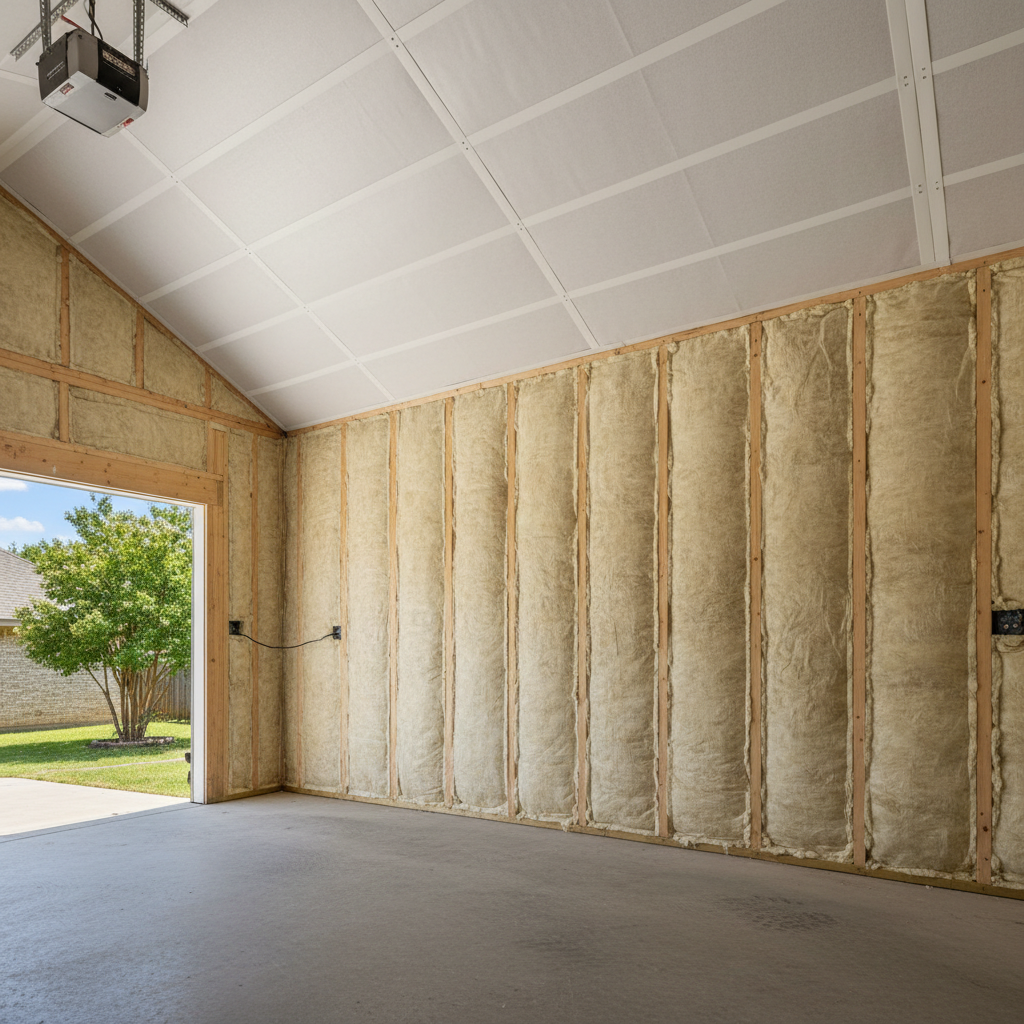
Insulating your garage in Fort Worth? Smart move. It's not just about feeling cozy; it's about protecting your stuff, cutting down on energy bills if it's attached to your house, and honestly, making that space somewhere you can actually *be* all year. But I've seen people botch this up more times than I can count. Let's dig into the common mistakes and how you can sidestep them.
Forgetting the Garage Door Itself
This is probably the biggest blunder I run into. Folks get all excited about insulating the walls and ceiling, which is fantastic, but they completely overlook the largest opening in their garage: the door. You could have R-30 insulation everywhere else, but if your garage door is just a flimsy, uninsulated sheet of metal, you're basically throwing money out that gap. It's like trying to heat your house with a window wide open, right? You absolutely have to deal with the door. You can grab insulation kits for doors you already have, or if you're getting a new one, definitely pick an insulated model. It makes a huge difference, especially when that Fort Worth summer sun is cooking it directly.
Picking the Wrong Kind of Insulation for the Job
Not all insulation is created equal, and what works great for your attic might not be the best choice for your garage walls or ceiling. I've seen homeowners try to DIY with cheap fiberglass batts in a garage that gets damp, and it just turns into a moldy mess. Or they use something that isn't dense enough for the wild temperature swings we experience here. For garage walls and ceilings, especially if you're really trying to seal the place up and make it comfortable, spray foam is often your best bet. It creates an airtight seal, stops heat from leaking through studs, and won't sag or settle over time. Plus, it's pretty good at keeping pests out. If you just want a little temperature control and aren't worried about a perfect seal, rigid foam boards can work too, but they don't seal air nearly as well. Don't just grab whatever's cheapest at the big box store without thinking about what your garage actually needs.
Not Sealing Air Leaks Before Insulating
Insulation slows heat transfer, but it doesn't stop air movement. If you've got gaps and cracks around windows, doors, electrical outlets, or where the wall meets the foundation, you'll still have drafts and lose energy. Think of it like a bucket with holes. You can pour all the water you want in it, but if there are leaks, it's still going to empty out. Before any insulation goes in, take the time to seal up those air leaks. Use caulk for smaller gaps and expanding foam for bigger ones. This step is super important for getting the most out of your insulation, and it's often forgotten. It's especially critical in older homes, say around areas like the Near Southside, where you might find some charming but very drafty original construction.
Hiring the Cheapest Person Without Checking References
Look, I get it. Everyone loves a good deal. But when it comes to something as crucial as insulation, especially spray foam, you really shouldn't skimp on the installer. I've seen way too many homeowners regret choosing the lowest bid, only to end up with a botched job. Maybe they didn't apply the foam correctly, leading to weird smells, or they didn't seal things properly, and you're still losing heat. A good contractor will have the right equipment, trained technicians, and a solid reputation. Ask for references. Check their reviews. Make sure they're licensed and insured. It's worth paying a little more for a job done right the first time, you know? At Fort Worth Spray Foam Insulation, we pride ourselves on doing it right, every time, because we know what a bad job can cost you down the line.
Forgetting About Ventilation
If you're sealing up your garage super tight, especially if you're using it as a workshop or for hobbies, you absolutely need to think about ventilation. Garages can accumulate fumes from cars, paints, chemicals, or even just moisture. If you seal it up without any way for fresh air to come in and stale air to get out, you could be creating an unhealthy space. Consider adding an exhaust fan, particularly if you plan on spending a lot of time out there. It's a small detail that can make a huge difference in air quality and comfort, and it's often overlooked until after the insulation is already in place.
Not Thinking About How You'll Use the Space Long-Term
Are you just trying to keep your car from freezing in the winter, or do you plan to turn your garage into a home gym, an office, or a hangout spot? Your insulation strategy should match what you want to do with the space down the road. If it's just for storage, you might get away with less. But if you're going to be spending hours in there, you'll want to invest in a higher R-value and a really good air seal. Think about what you want to achieve before you start, and tell your contractor clearly. It'll help them recommend the right solutions for your specific needs.
Don't fall into these traps. A little planning and asking the right questions upfront can save you a lot of headaches and money down the road. Make your Fort Worth garage a comfortable, energy-efficient space you can actually use.