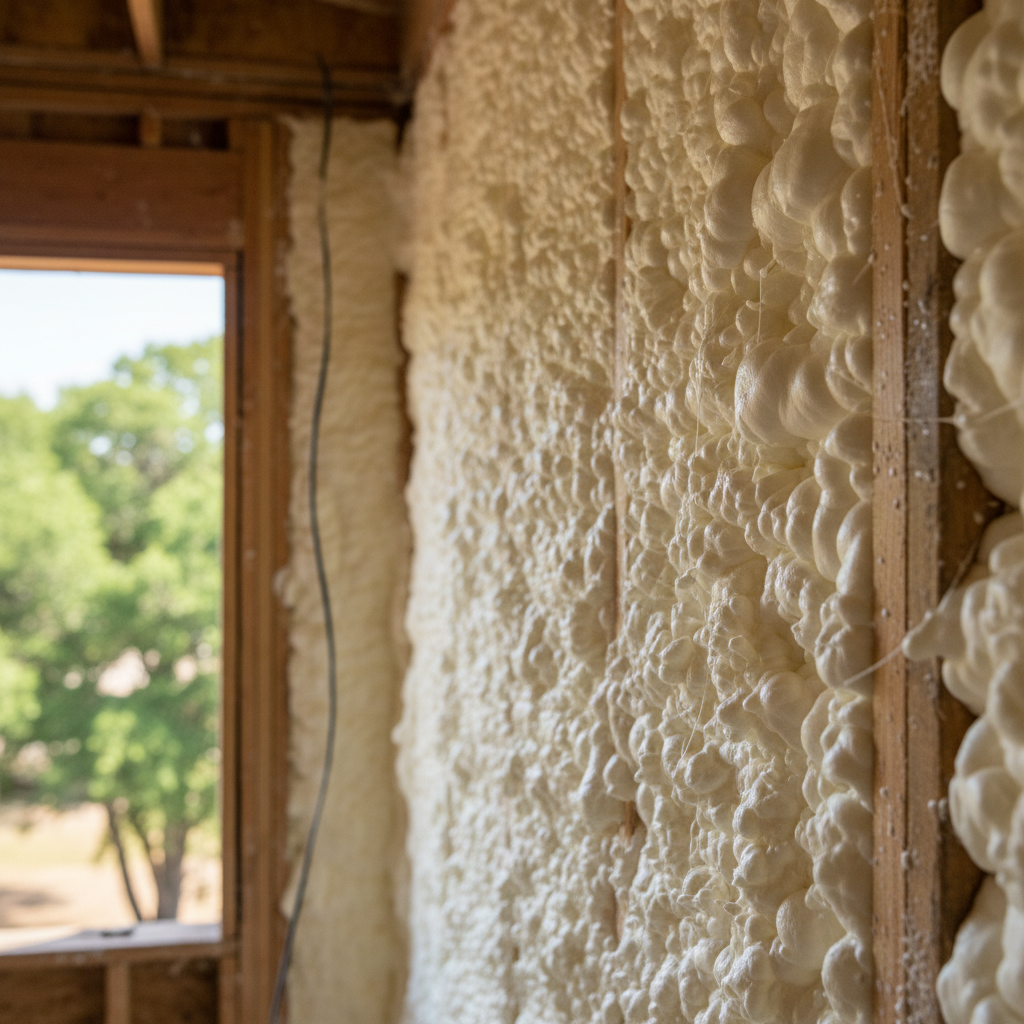
Thinking About Open Cell Spray Foam?
Alright, let's talk open cell spray foam. You've probably heard the buzz, seen the ads, or maybe you're just tired of those sky-high electric bills here in Fort Worth. I get it. As a local contractor, I've seen firsthand how much of a difference good insulation makes, especially when those 100-degree summers hit us hard. Open cell spray foam is a fantastic option for a lot of homes, but like anything, there's a right way and a wrong way to go about it. Let's break down what you need to know before, during, and after the project.
Before You Even Think About Spraying
First off, don't just jump in. This isn't a weekend paint job. You need to understand what open cell foam is and where it's best used. It's a lighter, less dense foam than closed cell, and it's vapor permeable. That means it can let moisture pass through it, which is actually a good thing in certain applications, especially in attics where you want to allow for drying. It's great for filling odd-shaped cavities, sealing air leaks, and sound dampening. But it's not for every single spot in your house, especially not below grade or in areas prone to bulk water.
Here's what you absolutely need to figure out upfront:
- Your Goals: Are you trying to cut energy costs, improve comfort, reduce noise, or all of the above? Knowing your primary goal helps determine if open cell is the best fit.
- Your Budget: Spray foam is an investment. It's not the cheapest insulation upfront, but the long-term savings often make it worthwhile. Get a few quotes so you know what you're looking at.
- Ventilation: This is huge. If you're sealing up an attic, you're changing the way your house breathes. You might need to adjust your HVAC system or add a fresh air intake. Don't skip this step. Seriously, you can create bigger problems than you solve if you don't plan for proper ventilation.
- DIY vs. Pro: Can you do some of it yourself? Maybe. For small, non-critical areas, a DIY kit might be an option. But for whole-house insulation, especially in an attic or crawl space, you're almost always better off with a professional. The equipment is specialized, and getting an even, consistent application that performs well takes skill and experience. Plus, there are safety considerations I'll get into.
During the Project: What to Expect
If you're tackling a small DIY project, listen up. You'll need personal protective equipment (PPE): a respirator (not just a dust mask), eye protection, gloves, and full-body coverage. The chemicals in spray foam are no joke when they're uncured. Make sure the area is well-ventilated, and follow the kit instructions to the letter. Don't try to rush it. You'll end up with a mess and poor performance.
For bigger jobs, when you call in a company like Fort Worth Spray Foam Insulation, here's what we typically do:
- Preparation: We'll clear out the area, cover surfaces that shouldn't get foam on them (it's sticky!), and make sure the space is ready. This might mean removing old insulation, which can be a dirty job.
- Safety First: We'll set up ventilation, and our crew will be in full PPE. We'll also advise you and your family to stay out of the house during the application and for a specific period afterward, usually 24-48 hours, to allow for off-gassing. This isn't negotiable.
- Application: This is where the magic happens. Our guys use specialized equipment to mix and spray the foam, making sure to get an even, consistent layer that fills all the nooks and crannies. We're looking for a good seal and the right thickness for optimal R-value.
- Clean Up: We'll clean up any overspray and debris, leaving your home as tidy as possible.
One thing I've seen homeowners overlook, especially in older Fort Worth homes with their varied construction, is making sure all electrical and plumbing work is done *before* the spray foam goes in. Once that foam cures, it's a real pain to cut through it for a new wire or pipe. Plan ahead!
After the Foam is Cured
Once the foam has cured and it's safe to re-enter your home, you should start feeling the difference pretty quickly. Your house will be quieter, more comfortable, and your HVAC system won't have to work as hard. This is where those energy savings kick in.
What about maintenance? Open cell foam is pretty low maintenance. You don't usually need to do much to it once it's in. However, keep an eye out for any signs of water intrusion. While open cell allows moisture vapor to pass, it's not meant to be submerged or constantly wet. If you have a roof leak, you'll want to address that quickly. The foam itself can absorb some water, which can reduce its insulating properties and potentially lead to other issues if not dried out.
Also, remember what I said about ventilation? If you sealed your attic, you might have created a conditioned space. This means things like your water heater or furnace that used to vent into a hot attic might need proper sealed combustion venting directly to the outside. Don't assume everything is fine; have an HVAC professional check it out. It's a small step that prevents big headaches down the road.
Look, open cell spray foam is a fantastic product when installed correctly. It can transform your home's comfort and efficiency. Just make sure you do your homework, understand the process, and know when to call in the pros. We're here to help if you need us.